
Historical artifacts
Historical documents, manuscripts, artifacts, tools, and other objects. Tokenization enables the public to contribute to or buy a share of an asset's value, while professionals hold the item or its products.
Rare artifacts and treasures are hard to value, hard to sell, and are usually out of reach for most investors.
With our tokenization services, we are changing how these assets are managed by supplying a secure digital representation of ownership with a verified chain of title.
Tokenizing artifacts or treasures means converting ownership rights in a physical asset into blockchain-based products. The validity of treasure tokenization services depends on the measures taken before tokenization, including authenticating the artifact or treasure and establishing a legal verification process.
Trusted by leading brands and partners worldwide
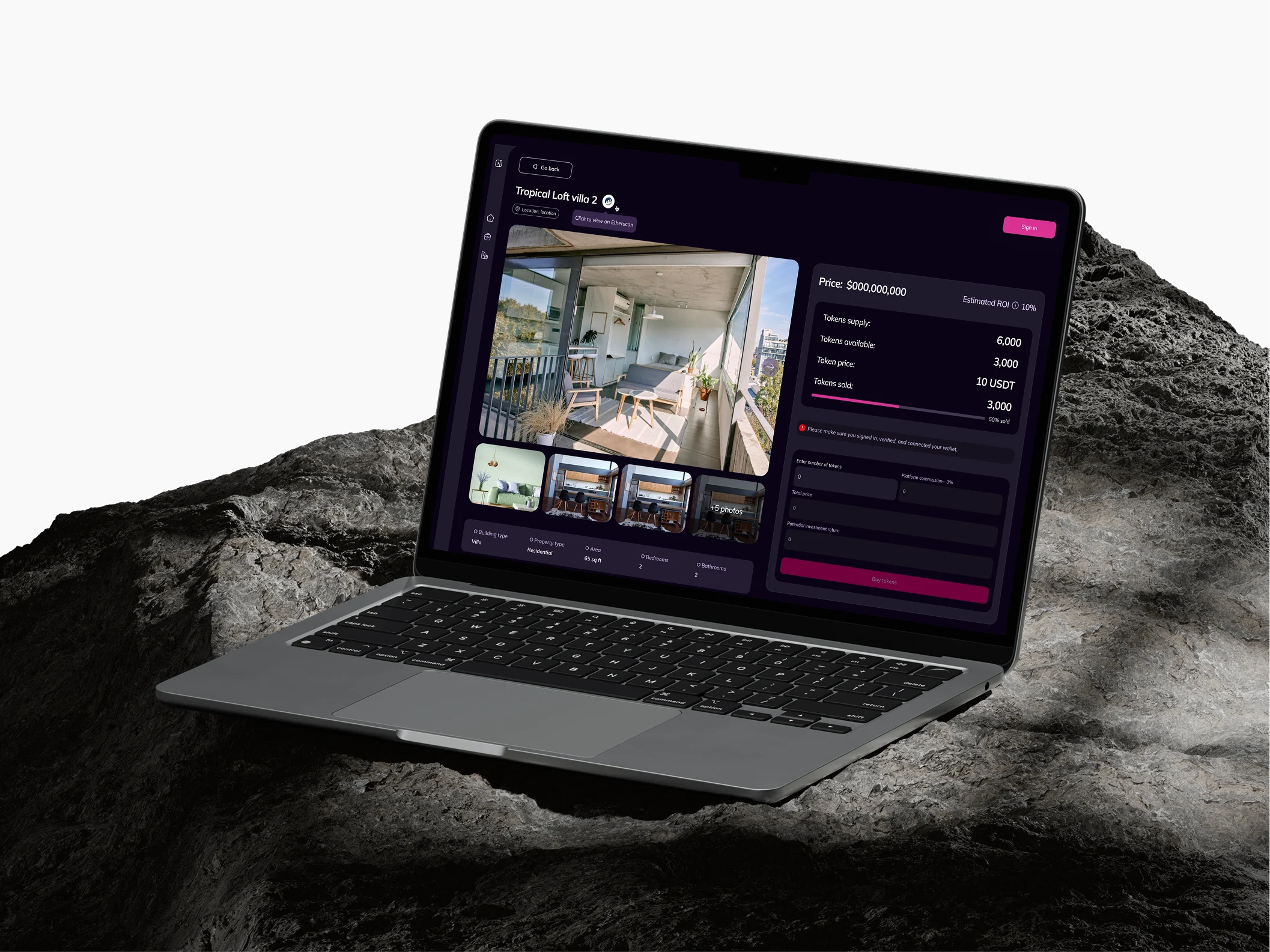
A blockchain-powered real estate investment platform where users buy digital tokens representing fractional ownership in properties.
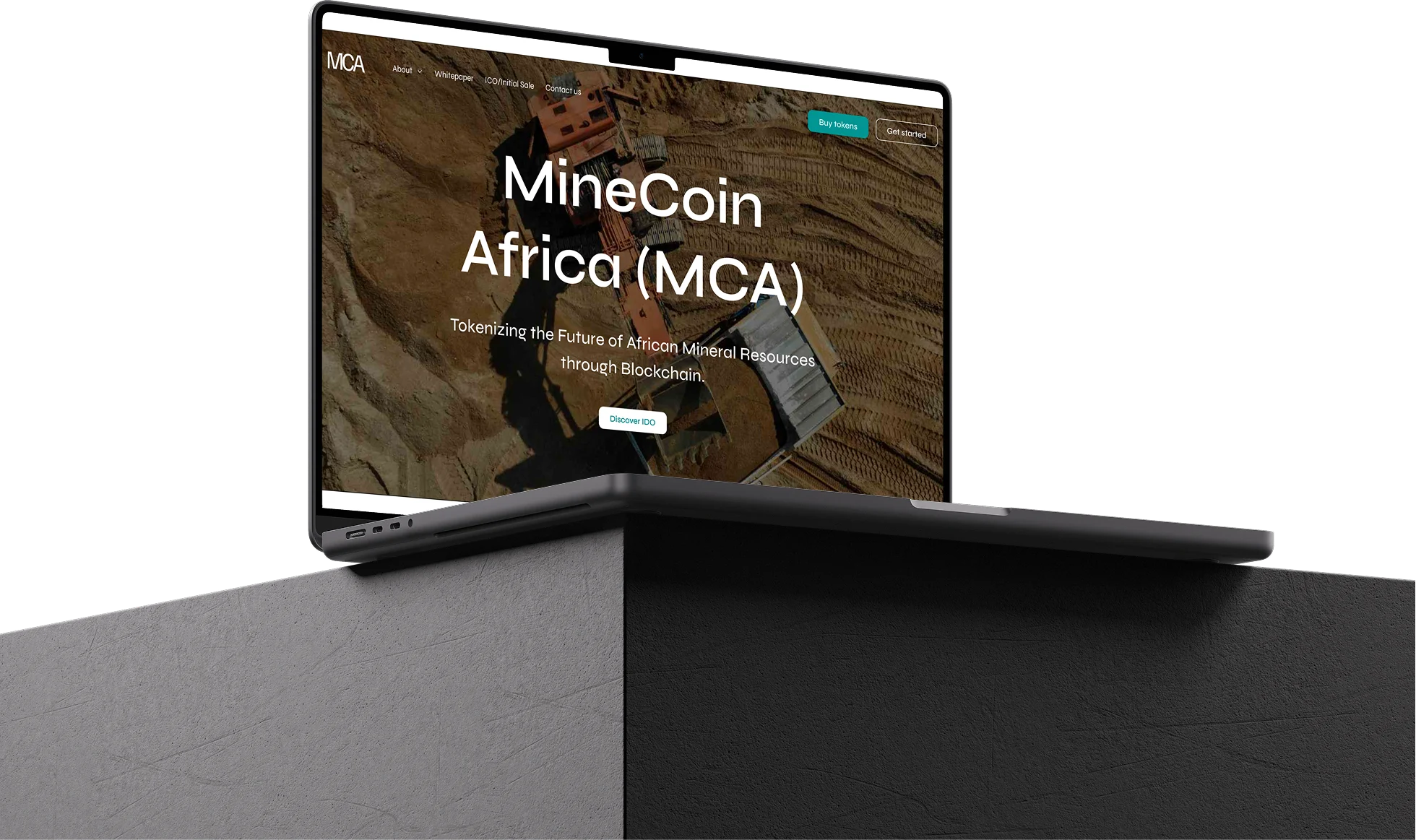
MineCoin Africa is a strong use case of Real-World Asset tokenization on the Solana network, providing African resource projects with direct and transparent access to global capital and investors' access to tokenized minerals.
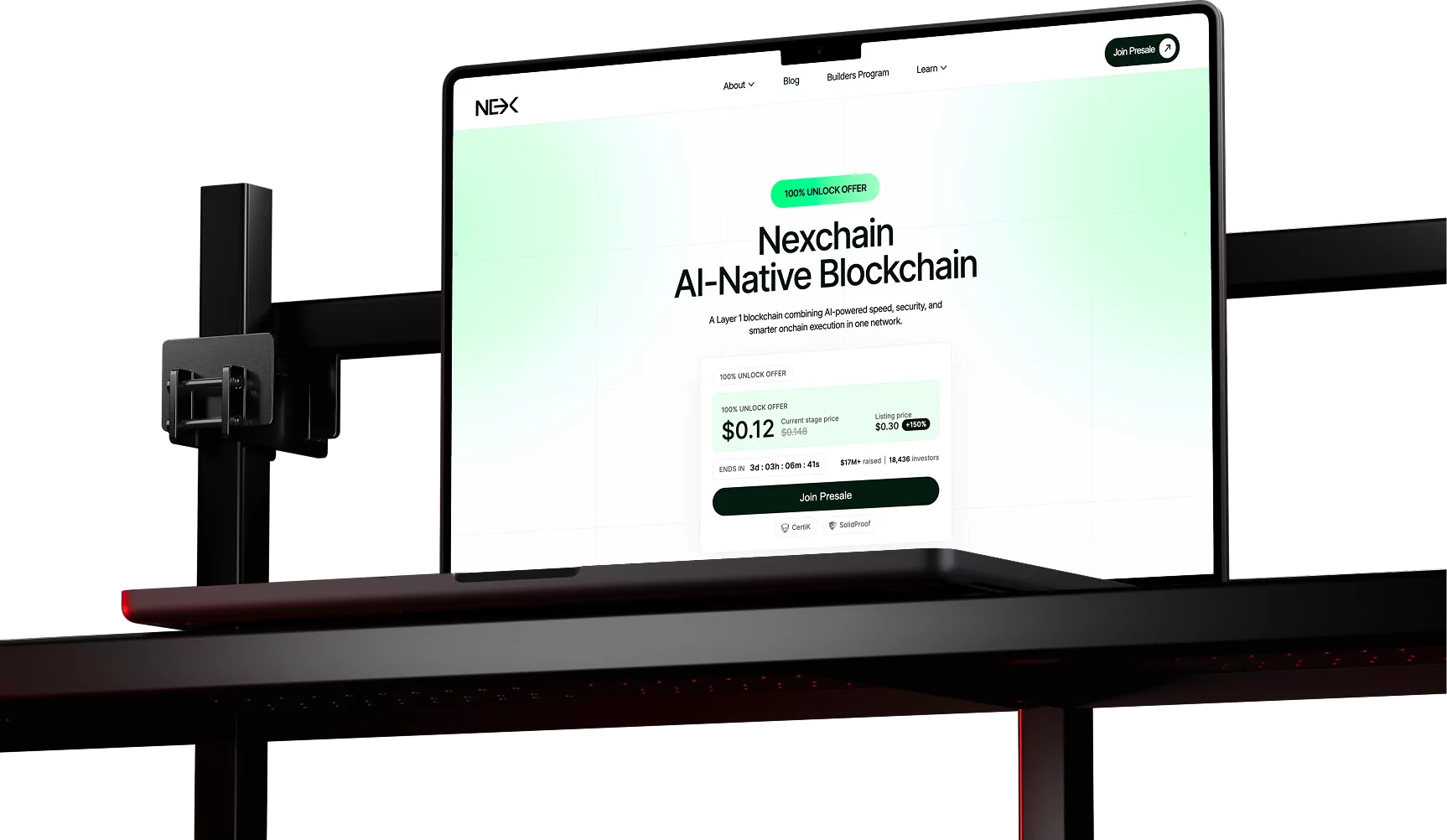
Nexchain is the world's first entirely AI-built blockchain, combining decentralized security with strong AI technology to deliver high speed.
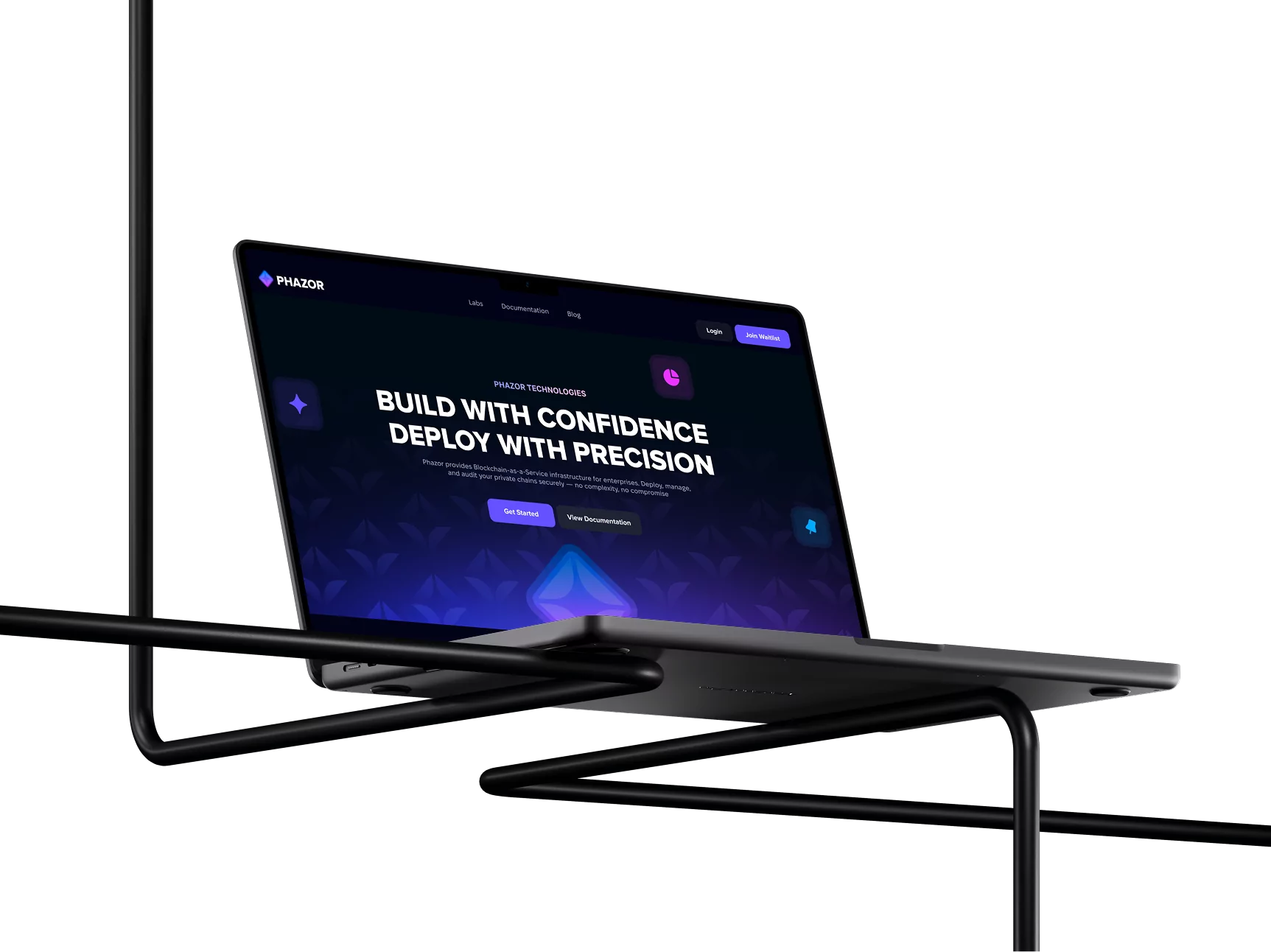
PHAZOR is an enterprise SaaS platform that allows regulated organizations to deploy and govern multi-signature wallets on a fully private, permissioned EVM-compatible blockchain.
Real-world asset tokenization services are more than creating tokens. We offer everything you need: from planning and structuring to smart contracts and an all-inclusive platform that lets you tokenize artifacts and valuables.


Book a call with EvaCodes, and within 24 hours you'll get a clear plan for launching your tokenized artifact platform.
Every lot is available on the platform with full details, including a description, photographs, the source, documents attesting to its authenticity, a price estimate, and its location.


Artifact tokenization services can compromise authenticity and validity, which is why the team behind the object matters most. EvaCodes fuses blockchain technology, security, and entrepreneurship into one process, giving you a reliable platform.
Artifact and treasure tokenization platforms usually cost between $35,000 and $350,000+, depending on provenance tracking, custody and insurance integrations, fractional ownership logic, and compliance scope. The table below shows approximate pricing, and we can give you a final quote once we know the full list of features you need.
| Platform type | Estimated cost (USD) | Typical timeline | Best for |
|---|---|---|---|
| Basic MVP | $35,000 – $65,000 | 2–4 months | Collectors and startups tokenizing a few items with on-chain certificates of ownership |
| Mid-level platform | $65,000 – $130,000 | 4–6 months | Auction houses and galleries offering fractional ownership with KYC and investor accounts |
| Production-ready platform | $110,000 – $220,000 | 5–8 months | Platforms with provenance records, appraisal and custody integrations, and a secondary market |
| Enterprise platform | $180,000 – $350,000+ | 7–12 months | Museums, funds, and institutions managing large collections across multiple jurisdictions |


Every project is different, but to ensure a successful launch, we follow a structured process. We will support you from assessment through a successful launch.
Get a Quote within a 24 hours
Get FREE advice from our technical department
Helpful answers to the most common questions
Artifact tokenization is the process of creating ownership of a physical artifact by representing those rights as digital assets on the blockchain. A token can represent the whole item or just a part, allowing several people to share ownership of one item. The technology is used for antiques, ancient money, historical relics, fine collectibles, and discovered treasures. Everything that is needed for tokenization is offered by artifact tokenization services — authentication, legal procedures, smart contracts, and even the platform. In the end, you get a property that is more convenient than the physical one.
The process starts with authenticating and valuing the artifact, then entrusting it to a trusted custodian. A legal structure is then formed to link ownership of the token to the actual ownership of the asset — usually through a legal entity specifically set up to hold the asset. The team then develops smart contracts that define the system supply, transfer rules, and investor requirements. After the tokens are issued, investors can acquire them via the tokenized artifact platform development solution by completing identity verification. Every subsequent transfer is recorded on the blockchain, creating a permanent ownership history.
The implementation period depends on project scale, the number of functions, and regulatory requirements in your target markets. Building a basic platform usually takes 2–4 months, while developing a fully functional product with a marketplace and conformity tools takes 4–8 months. A dedicated team of developers provides a timeline for artifact tokenization platform development after the analysis phase, once the requirements are clear. Treasure’s artifact tokenization services follow a similar methodology, although additional time may sometimes be required for provenance research and legal due diligence.
No single blockchain is perfect, since the right choice depends on multiple criteria. The most important factors are the nature of the assets to be fractionalized and how they will be used. In most cases, Ethereum is a popular choice because it supports advanced standards, including ERC-721 for non-fungible tokens and ERC-1155 for hybrid systems. Ethereum-compatible blockchain technologies, like Polygon, are a good choice for low transaction fees. As a digital artifact tokenization agency, we should compare fees, security, liquidity, and regulatory compliance before recommending a network.
Yes, assets can be traded, and that’s one of the main reasons people choose to tokenize their belongings. This can be done through the trading platform itself, using its trading market, or outside the trading market, provided the respective country’s legislation allows it. Smart contracts can set the terms of trade, including restrictions. For example, trading can be allowed only for verified investors.
Although blockchain-based systems can represent physical artifacts, a product is not a legal ownership right on its own. The token-object relationship is constructed on legal contracts, custody agreements, and verified documents. An independent custodian usually holds the artifact, and token holders’ rights are based on that legal foundation. The blockchain record contains links to certificates of authenticity, valuation reports, and storage details for the artifact. Historical artifact tokenization services aim to make this link explicit and legally protected so owners know exactly what they own.
Global locations where we work and connect

Top Mobile App Development Company

Top Mobile App Development Company

Top Mobile App Development Company
73 REVIEWS
Helpful answers to the most common questions
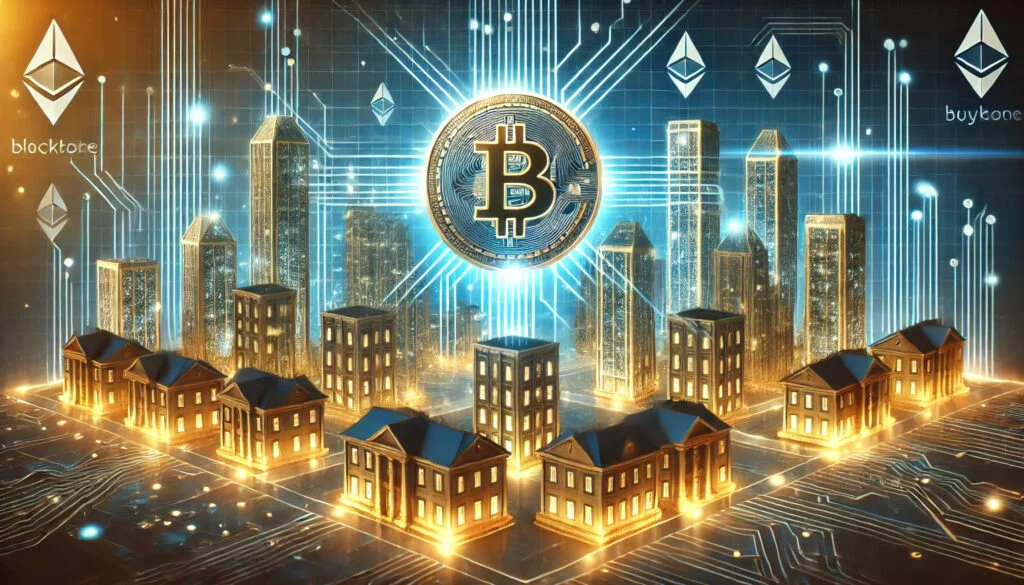
Embrace the power of tokenization to transform the future of real estate investments. Tokenizing your real estate offers unparalleled liquidity, flexibility, transparency, and effectiveness. Join this modern approach and become part of this dynamic, inclusive real estate ecosystem that empowers you to reach your economic objectives with enthusiasm and ease.

The prospects for investing in blockchain have never been more promising than they are today. As a transformative innovation, this emerging technology is opening up a whole new universe of opportunities for entrepreneurs to explore and profit from. From DeFi platforms to NFTs, the blockchain landscape is filled with the prospects of huge profits on investments. The goal of this report is to showcase the most prospective blockchain business opportunities through 2027 and help investors make wise strategic decisions in this dynamic market.

In the booming digital landscape, blockchain has emerged as a disruptive force that is changing the industry and redefining the way we think about transactions and data security. Among the numerous applications of blockchain, a particular area of innovation is decentralized physical infrastructure networks, which represent a completely new frontier. This article proposes a look at the details of DePIN blockchain technology and how it has the potential to revolutionize traditional infrastructure systems.
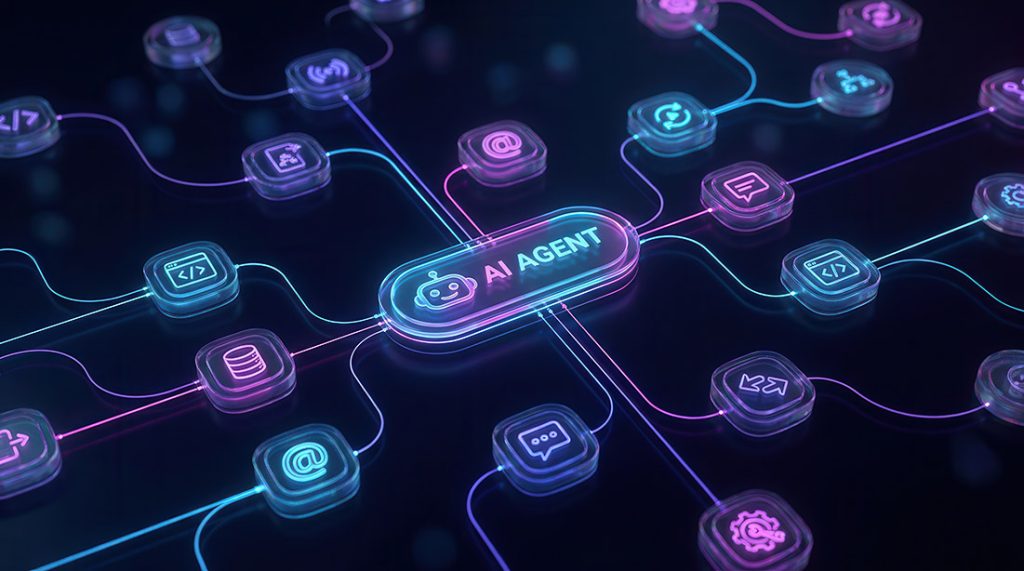
In the past, DeFi required ongoing care, including monitoring interest rates, rebalancing positions, and transferring funds. A large portion of these tasks was completed in 2027 without human oversight. This article examines the current state of agent-based DeFi, including how it manages actual capital and what still needs improvement.
Helpful answers to the most common questions